Flying Solo? American and United May Be Charging You Extra for It
A 5,000-flight analysis found American charging solo travelers more on a third of flights, and United on one in ten, sometimes triple the companion fare. How it works and how to dodge the solo tax.
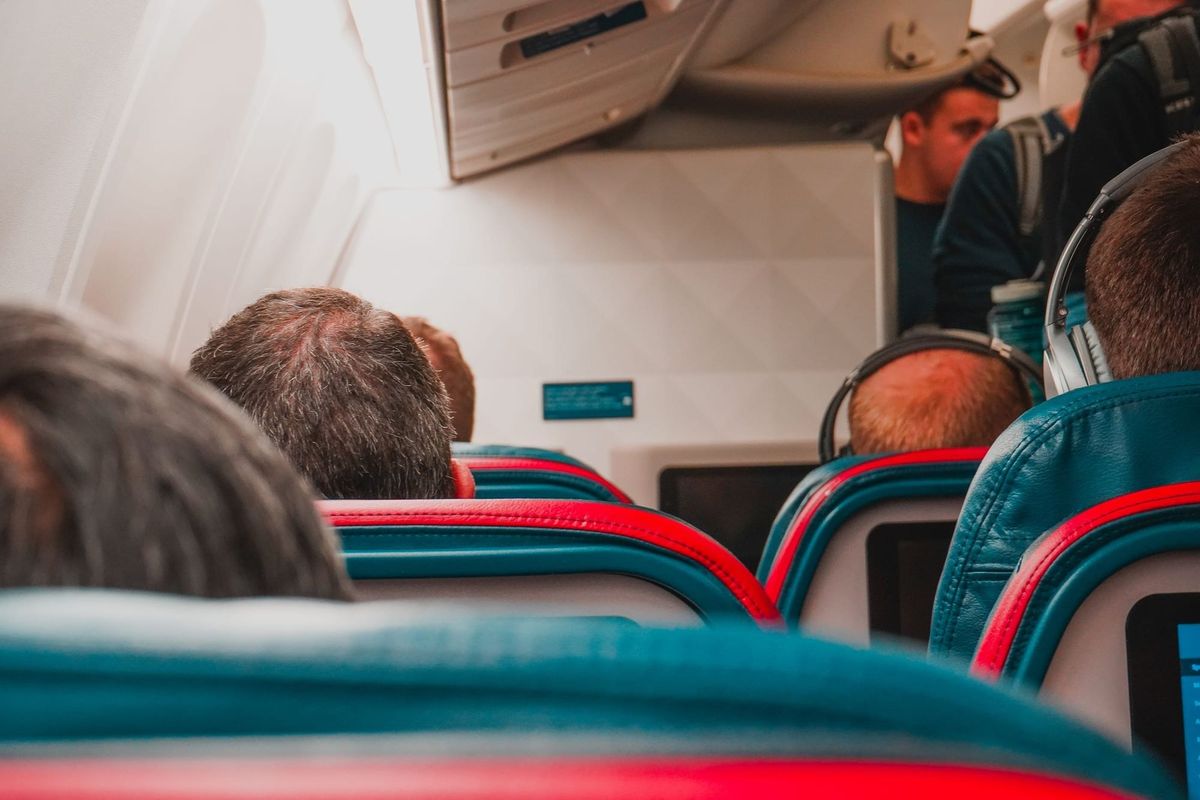
Traveling alone has its luxuries: your own schedule, your own window seat, nobody negotiating over dinner. On two of America's biggest airlines, it can also come with a surcharge nobody advertises. A new analysis making the rounds in early November found that American Airlines and United are regularly charging solo travelers more than people booking for two, sometimes dramatically more, for the exact same seat.
The numbers
The investigation comes from Thrifty Traveler, which pulled 5,000 nonstop domestic one-way fares, 1,000 each on American, United, Delta, Alaska and Southwest, on randomly selected routes over the next 11 months. What it found:
- American charged solo passengers more on 33.5% of the flights sampled, by an average of more than $90.
- United did it on 10.6% of flights, by just over $64 on average.
- Delta, Alaska and Southwest did not charge solo travelers more on a single one of the 1,000 flights checked for each.
The headline example is hard to unsee. On a Miami to Charlotte nonstop in December, American quoted $496 for one passenger in main cabin economy. Add a second traveler to the search and the same fare dropped to $155 each, with a $100 basic economy option appearing that solo searchers never saw. As the site points out, you could buy three seats for less than the price of one. Live and Let's Fly and other travel outlets have since picked up the findings.
How it works
This isn't a glitch. According to Thrifty Traveler, the cheaper fares come with rules requiring a traveling companion, so they simply don't appear when you search for one person. The pattern also leans hard on geography: the share of solo-penalty fares on American jumps to nearly 60% on flights to and from Philadelphia and 65% at Charlotte, and on both carriers it shows up far more often on routes where the airline has no real competition.
There's a wrinkle that matters if you're flying south: the analysis says American is occasionally doing this on short-haul international flights too, including to Mexico and the Caribbean.
Why this one lands with our readers
Plenty of The Bond readers travel solo, for work, for a Pride weekend, for a long winter escape to the sun. Many fly to meet friends who aren't on the same itinerary, or to join a partner already there. A pricing structure that quietly assumes you'll travel in pairs is, at best, an annoyance. Thrifty Traveler's verdict is blunter: it calls this "a penalty for solo and especially business travelers, plain and simple."
How to avoid paying the solo tax
- Run the search twice. Search for one passenger, then for two. If the per-person price drops sharply, you've found a companion fare, and now you know what the seat is really worth.
- Compare carriers. In this sample, Delta, Alaska and Southwest showed no solo premium. If American or United is quoting you a suspicious number, check the competition on the same route.
- Watch the hubs. Routes through Charlotte and Philadelphia were the worst offenders on American. Connecting elsewhere, or flying a competitor, may save real money.
- Traveling with a friend after all? Book together on one reservation rather than separately. Just make sure the fare rules suit both of you before you click buy.
Airlines have always found ways to charge different people different prices for the same seat. This one just happens to punish the most independent travelers among us. Fly alone, by all means. Just search like you've brought a date.