Eurovision Goes East: Your Guide to the First Eurovision Asia in Bangkok
Eleven countries, one final, and a brand-new stage at One Bangkok Forum on Nov. 14. Who's singing, how the voting works, whether the camp survives the trip, and how to watch or get there.
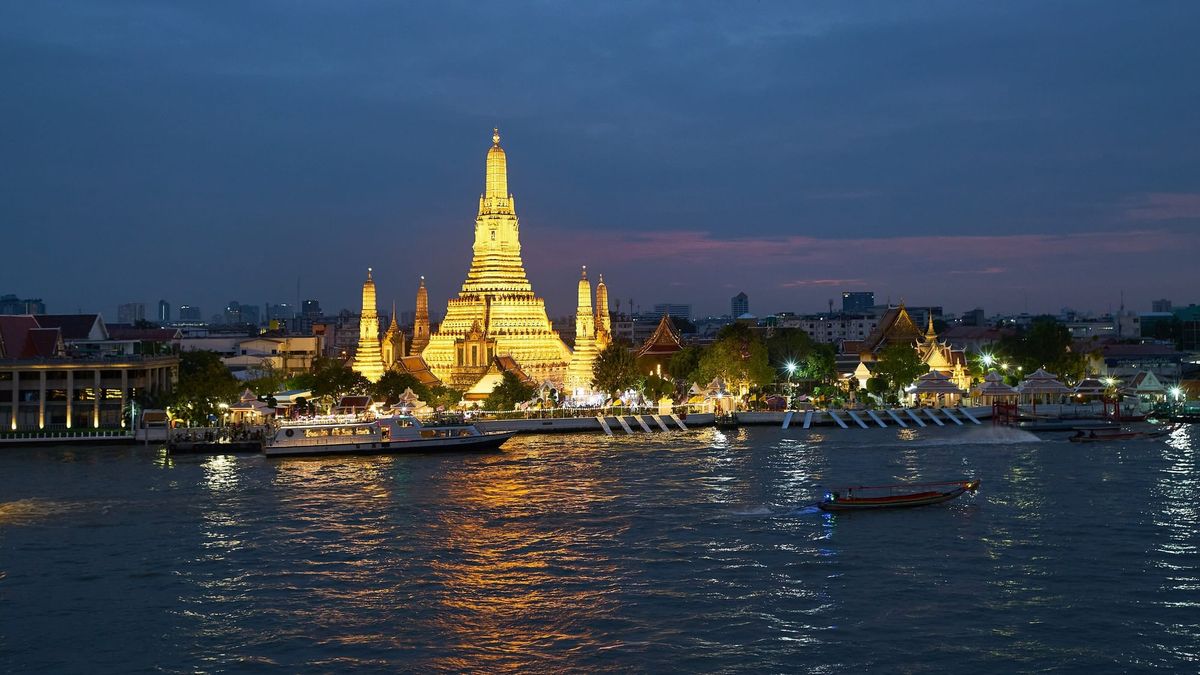
The sequins have a new passport. On Saturday, November 14, the first-ever Eurovision Song Contest Asia goes live from One Bangkok Forum in Thailand, with 11 countries competing in a single final. Organisers say they want it to be the first of many regional editions. Fans across Southeast Asia are already treating it like a national holiday: Filipino supporters waved “Sobra-Sobra” T-shirts at the airport as CARMELLE flew out to Bangkok, and the countdown posts haven’t stopped since.
For anyone who has ever planned a spring around Eurovision week in Europe, this is the most interesting thing to happen to the format in years. And it lands in a city that already knows how to throw a party.
Who’s singing
The official running order opens with Vietnam and closes with Malaysia:
- Vietnam: Tóc Tiên, “EM TIÊN”
- Cambodia: Monetrey, “I Let You Go”
- Laos: Thinla, “BAE”
- Mongolia: Beck, “Chamguigeer (Without You)”
- Bhutan: Nyendra, “Lhayi Semo”
- Philippines: CARMELLE, “Sobra-Sobra”
- Bangladesh: Beatmosphere, “Tumi Ele”
- Thailand: MANG x DAOU, “Aroma”
- South Korea: JUNHEE, “DEEP DIVE”
- Nepal: Pratik Himal Rai, “Ananta Maya”
- Malaysia: Aina Abdul, “Bluest Sky”
Some of these acts are already stars at home, notably Tóc Tiên and Aina Abdul. China and Japan are not in this year: according to The Guardian, negotiations ran past the production deadline, and executive producer Assaf Blecher says he is “very, very optimistic” both will join next year.
Same rules, new twists
The format follows the European original closely. Each country sends one live act, three minutes maximum, up to six people on stage. National juries score the dress rehearsal the night before, and the public votes on the night. There are a couple of differences worth knowing. Viewers get eight free votes, which must be spread across at least three songs, and votes from outside the competing countries are pooled into a twelfth “territory.” The winner takes home a trophy, no prize money, and, at least for now, no automatic hosting rights, because organisers say smaller countries may lack the infrastructure.
Will it be camp?
That is the question every European fan is asking. Blecher told The Guardian the first edition may not be the “full campy” experience yet, noting the European show has had 70 years to evolve. Thailand, the host, has marriage equality and some of the most globally visible queer pop culture in the region. But not every broadcaster shares that context: The Guardian points out that Malaysia and Bangladesh, both competing, criminalise same-sex relations. On flags, spectators may bring one each, subject to Thai law, while delegations can carry only their own national flag.
In other words, the queer energy may come from the audience before it comes from the stage. Which, if you know Eurovision history, is exactly how it started in Europe too.
How to be there, or watch from anywhere
The live show starts at 20:30 in Bangkok (14:30 CET, 8:30 a.m. in New York and 7:30 a.m. in Mexico City). It streams on the official Eurovision Song Contest YouTube channel and on broadcasters in each competing country. If you are in Bangkok, the organisers say limited tickets are still on sale through the Eurovision Asia website, and there is a full preview run-through of the show at One Bangkok Forum on Friday, November 13, a good option if Saturday sells out.
November is also one of the most comfortable months to be in the city, with the rains easing off. Make a weekend of it: rooftop drinks before the show, a watch party in Silom after, and a long Sunday recovering by a hotel pool while you argue about the jury vote.
Why it matters
Eurovision has always been more than a song contest for queer fans: it’s a shared language, a calendar marker and an excuse to travel. Taking it to Asia, with Bangkok as the launch city, puts that culture in front of new audiences in countries with very different laws. Whether it becomes a camp institution or something entirely its own, the first edition is the one people will say they saw. The Bond will be watching.