The Pride Poppy Row: Britain Argues Over Who Remembrance Remembers
The Royal British Legion's £8 Pride poppy badge honours LGBTQ+ service members once banned from the military. A Reform UK councillor called it virtue signalling. Here's the history, the row, and how to mark Remembrance in the UK.
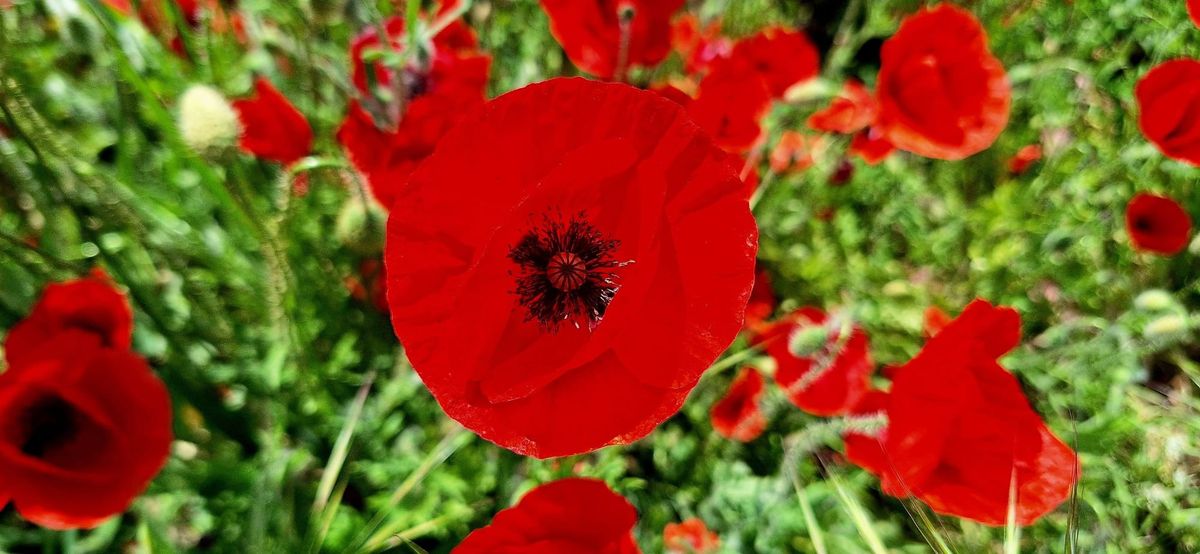
Every November, Britain pins a small red flower to its lapel and, for a couple of weeks, agrees on almost nothing else. This year the poppy itself has become the argument. The Royal British Legion, the charity behind the annual Poppy Appeal, sells an £8 enamel pin that pairs its familiar poppy with the intersex-inclusive Pride flag, and with Remembrance Sunday falling on November 8, the badge has turned into one of the most-shared culture-war stories on British social media in early November.
What the badge actually is
On its official Poppy Shop listing, the RBL describes the pin as a symbol of support for "our LGBTIQ+ community who are a vital part of our Armed Forces past and present," and in particular for those "who served under the Ban, when it was illegal to be gay, lesbian, or bisexual in the Armed Forces." The flag on it is the Intersex-Inclusive Pride Flag created by campaigner Valentino Vecchietti. The charity says all profits go to its work supporting the Armed Forces community.
The Legion's own support pages frame it plainly: visible symbols of support for LGBTQIA+ service personnel are "an important show of allyship and a demonstration that the RBL is a safe and inclusive space."
Why it blew up now
The row started with a Facebook post. As The Telegraph reported on October 30, Joseph Boam, a Reform UK councillor in Leicestershire, accused the charity of having "politicised remembrance of our war dead" and called the badge "woke virtue signalling." The Legion stood its ground, telling the paper the badge "shows support for those who have faced discrimination or marginalisation due to their sexual orientation or gender identity, particularly those who served under the pre-2000 ban on LGBT personnel in the British Armed Forces."