Virginia Is for Lovers. Now Its Constitution Might Agree
Virginia's 2006 same-sex marriage ban is dormant, not dead. On November 3, Question 2 asks voters to replace it with a right to marry. What's on the ballot, who's for and against, and why it matters if Obergefell ever falls.
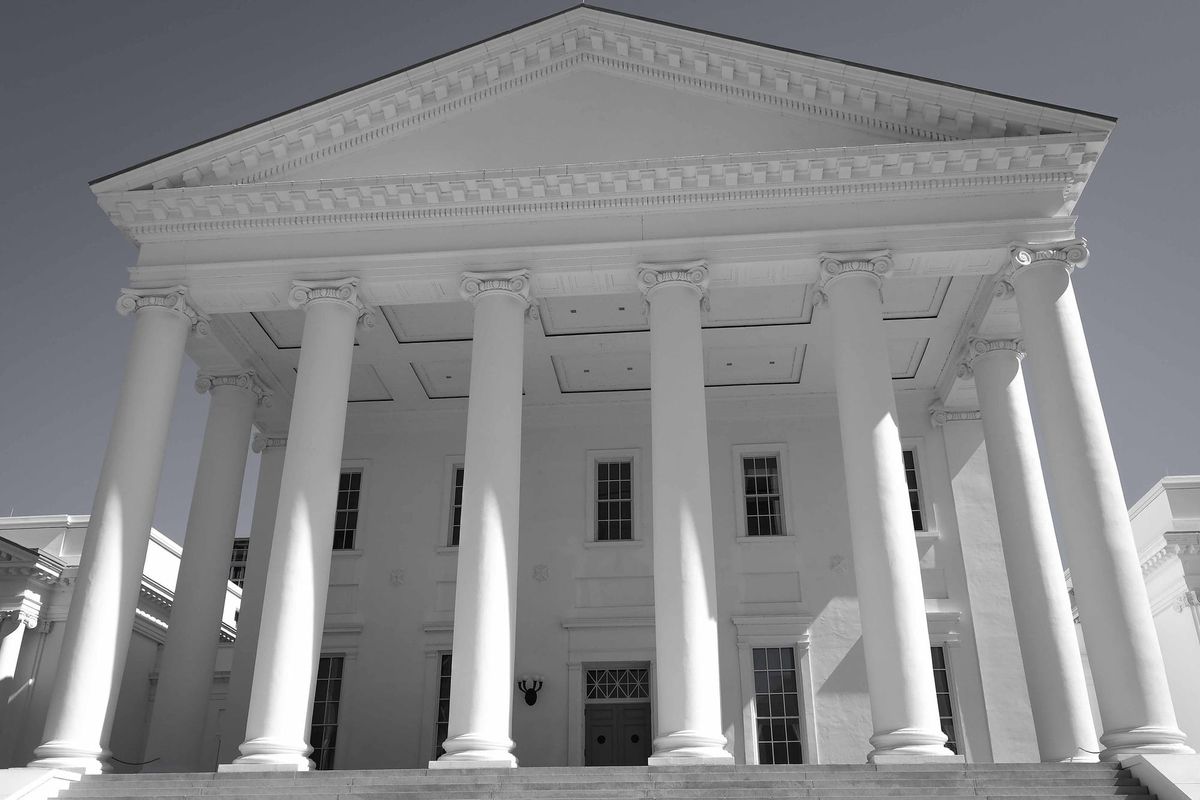
Virginia has sold itself to visitors as "for Lovers" since the late 1960s. On Tuesday, November 3, its voters get to decide whether the state constitution finally agrees with the slogan.
Question 2 on this year's statewide ballot asks whether to strip Virginia's 2006 ban on same-sex marriage out of the constitution and replace it with a positive right to marry. Early in-person voting ends on Friday, October 31, and the measure has become one of the most-discussed items on a crowded midterm ballot, with the state's Catholic bishops campaigning for a "no" and LGBTQ+ and civil-liberties groups pushing for a "yes."
What Virginians are actually voting on
The ballot wording, published by the Virginia Department of Elections, is short: should the constitution be amended to "(i) remove the ban on same-sex marriage; (ii) affirm that two adults may marry regardless of sex, gender, or race; and (iii) require all legally valid marriages to be treated equally under the law?"
Right now, Article I, Section 15-A of Virginia's Bill of Rights still says that only a union between one man and one woman can be a valid marriage, and bars the state from recognizing civil unions or anything that resembles marriage. Voters added that language in 2006, when the so-called Marshall-Newman Amendment passed with 57.1% of the vote, according to Ballotpedia.
The new text would declare marriage "one of the vital personal rights essential to the orderly pursuit of happiness," forbid the state from denying a license to two adults because of their sex, gender or race, and require every lawful marriage to be treated equally. If a majority votes yes, the change takes effect on January 1, 2027.
Wait, isn't marriage already legal?
It is. The state's own voter guide is refreshingly blunt about why the vote still matters: the 2006 ban "is no longer enforceable as a result of the United States Supreme Court decision in Obergefell v. Hodges in 2015," but it "remains in the state's Constitution. If the Supreme Court were to overturn its previous decision, that prohibition would be enforceable again."
In other words, the ban is dormant, not dead. Supporters see Question 2 as insurance. "This amendment is really a proactive measure," Narissa Rahaman, executive director of Equality Virginia Advocates, told WSET. "Right now federal law says that marriage equality is legal everywhere. We want to ensure that our constitution is reflecting that."
Getting here took two votes in Richmond. Virginia requires constitutional amendments to pass the General Assembly in two successive sessions before going to voters; the repeal cleared the legislature in 2025 and again in 2026, as Equality Virginia and Ballotpedia have documented.
The campaign for "no"
The most organized opposition has come from the church. In a video promoted by the "Catholics Vote No" campaign, Bishop Michael Burbidge of the Diocese of Arlington said Question 2 "would remove from our state constitution the truth, as Jesus taught, that marriage is between one man and one woman," and would "enshrine gender ideology," the Washington Blade reported. Metro Weekly has also covered the bishop's push.
Some opponents argue the words "sex" and "gender" reach beyond marriage. Pastor Jonathan Falwell of Thomas Road Baptist Church told WSET the language could affect sports and bathroom policies. Former U.S. Attorney John Fishwick, asked by the same station, disagreed: "I think this amendment is limited to marriage, and it's basically affirming what is the law of the land."
On the "yes" side, Equality Virginia and the ACLU of Virginia are among the groups behind the Virginians for Marriage Equality campaign, according to the Blade.
Turnout is already big
Virginians are voting early in large numbers. More than 678,000 had cast ballots with a little more than two weeks to go, nearly 300,000 more than at the same point in the 2022 midterms, WTVR reported, citing the Virginia Public Access Project. This year also brought the state's first-ever Sunday early voting. Question 2 sits alongside Question 1, on reproductive freedom, and Question 3, which would automatically restore voting rights to people with felony convictions once they leave prison.
We couldn't find a public poll on Question 2 specifically, so treat any confident predictions with caution.
Why it matters beyond Virginia
For couples planning a wedding in Charlottesville wine country, a weekend in Richmond or a move to the D.C. suburbs, nothing changes on November 4. Marriages are legal and recognized either way. But Virginia is part of a quiet trend: states cleaning up old bans that would spring back to life if Obergefell ever fell. For anyone who travels, marries or settles across borders, a constitution that says yes is sturdier than one that is simply being overruled.
If you vote in Virginia: early in-person voting ends Friday, October 31, and Election Day is Tuesday, November 3. Check your polling place and the full amendment text on the Department of Elections website.